BUSINESS & BRAND
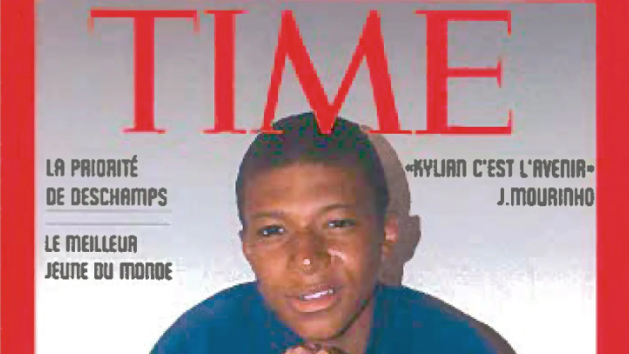
Mbappe goes by at least six different names depending on who is speaking and from where. MBaby and Mbebe in the French diaspora. Donatello among his inner circle. Kyks on social media. Peanuts inside the dressing room. KM10 in commercial contexts. Each nickname is a different community staking a claim. In brand strategy terms, the nickname map is the audience map.
MBaby and Mbebe — the French origin
MBaby and Mbebe emerged from French fan culture, particularly the communities closest to the Bondy and Seine-Saint-Denis origin story. They carry an affectionate, possessive quality — the diminutive suffix encoding a sense of proximity and ownership that formal appellations like Mbappe or KM10 deliberately resist. These are the nicknames of people who feel they knew him before the world did. In brand terms, they signal the core French audience: the community that claims biographical continuity with the player.
Donatello — the inner circle name
Donatello is the Ninja Turtle. It is the name used by Mbappe’s closest associates, originating from his childhood and his reported affinity for the franchise. The cultural logic is specific: in a group of people who knew him before the superstardom, the name anchors him to a pre-fame identity. For the inner circle, it functions as a signal of access — using it demonstrates proximity that most people do not have. From a brand analysis perspective, it is the name that brands cannot use, which is precisely what makes it valuable to those who can.
Kyks — the social media handle
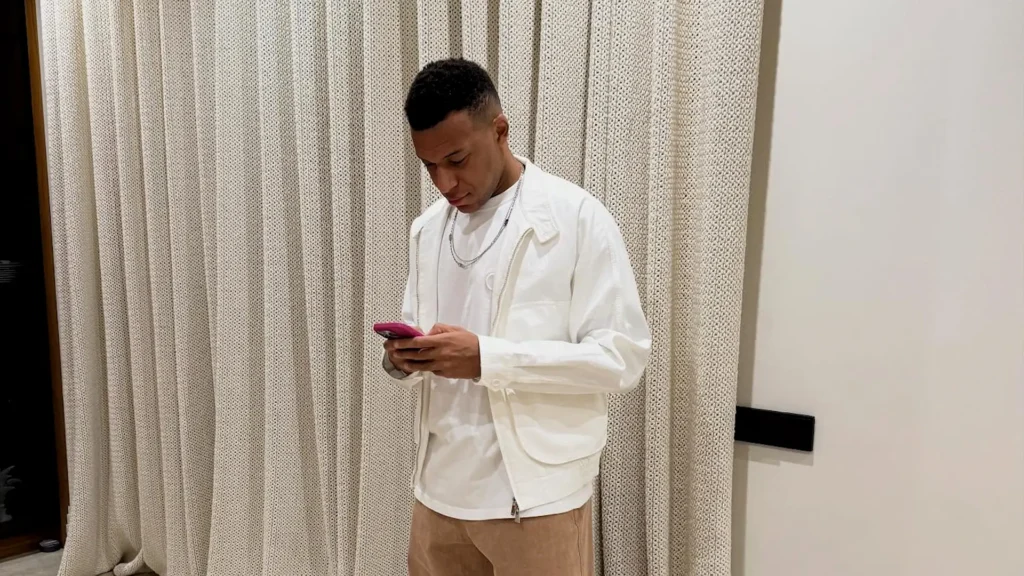
Kyks is the handle used on X and in digital contexts, particularly by younger international audiences. It is phonetically compact, easily typed, and language-neutral — the ideal property for a social media identifier that needs to travel across Spanish, Arabic, Portuguese, and English-language communities simultaneously. The fact that it appears in the username of the X post from the Boston press conference that circulated widely in March 2026 is not a coincidence. It is the identifier that spreads.
Peanuts — the dressing room nickname
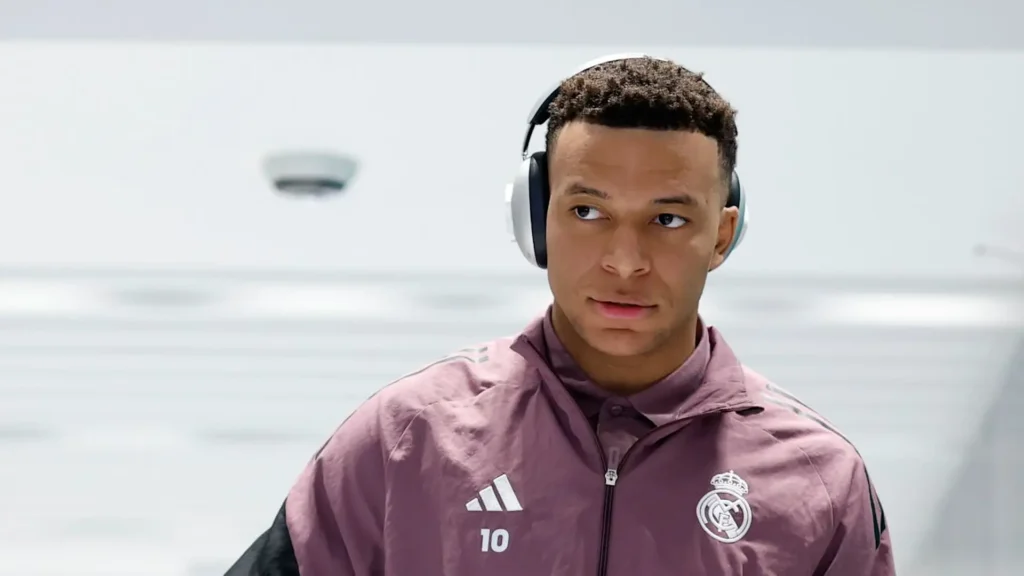
Peanuts is the dressing room name, reportedly used by PSG teammates. The origin is disputed — some accounts attribute it to his slight frame as a teenager, others to a specific incident. What is consistent is the context: it is exclusively an insider label, used by professional peers, and it has never been commercialised or adopted by any sponsor. In a career where almost every identity marker has been monetised in some form, Peanuts remains stubbornly non-commercial. That resistance is its defining characteristic.
KM10 — the commercial identity
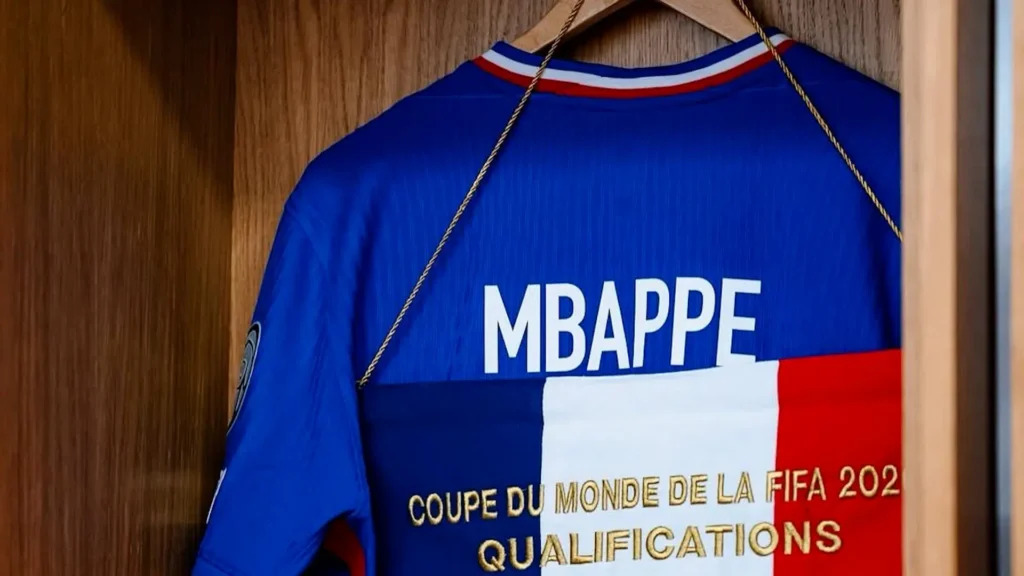
KM10 is the commercial layer: the initials-plus-number format that appears on merchandise, in EA Sports FC, and in sponsor communications where legal teams require a standardised identifier. It is the name that scales across jurisdictions without ambiguity. Nike’s KM signature boot line uses it. It is the denomination of the brand rather than the person — which is why it coexists with all the others without conflict. The commercial identity is not a replacement for the cultural identities. It is the layer added on top.
The broader commercial architecture that connects these identities to specific markets is covered in the multicultural brand analysis. The social media dimension — including what the nickname penetration across platforms suggests about his audience geography — is in the social media brand value breakdown.
— Victor Blanc, Football Business Correspondent
Deepen Your Intelligence
- Mbappe’s Identity Is Not a Label — It’s a Market
- The $50M Blind Spot: 165M Followers, Almost Nothing Commercially
- Inside the Fortress: The Complete Map of the Mbappe Network

About the author
Victor Blanc
Football Business Correspondent at Mbappé Live. Covers contracts, sponsorships, investment strategy, and the financial architecture behind elite sport.