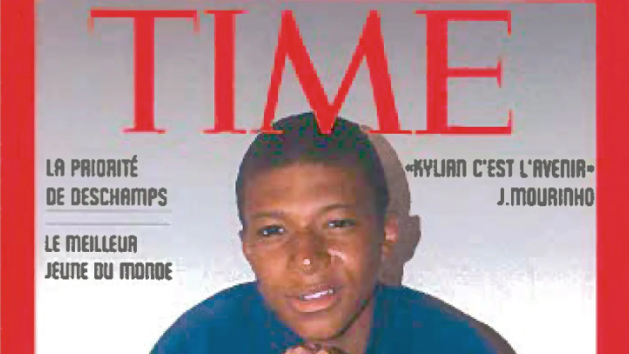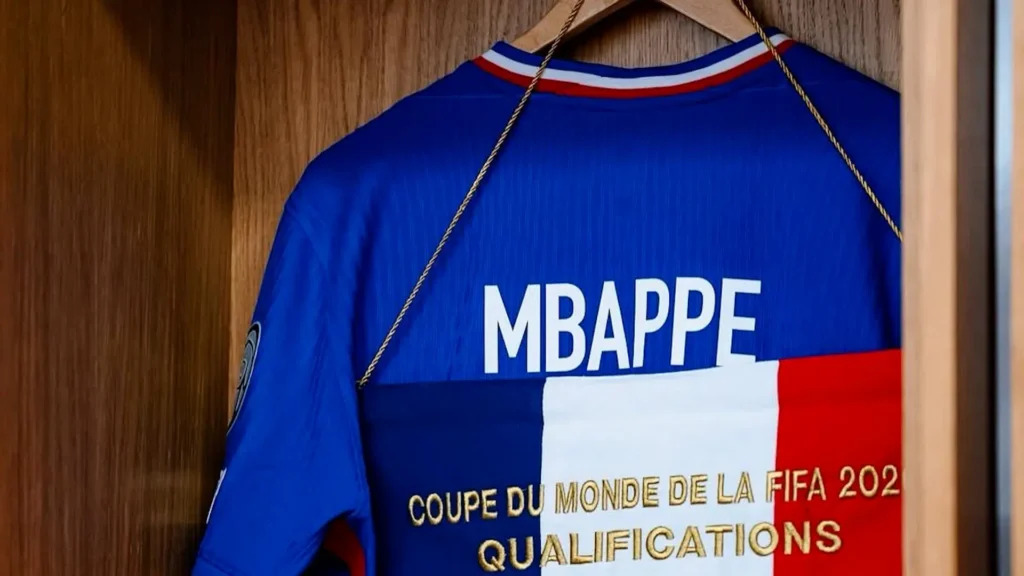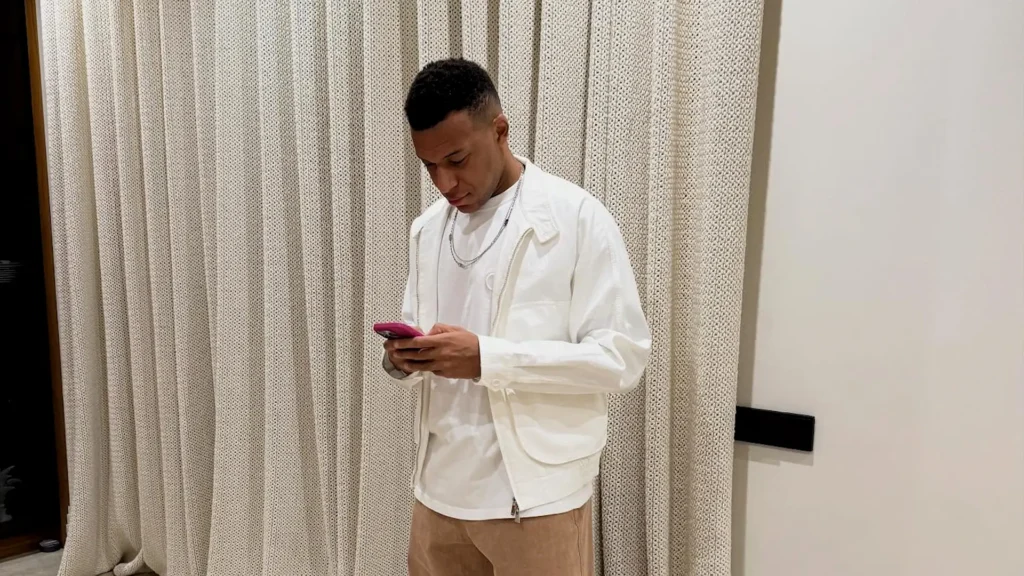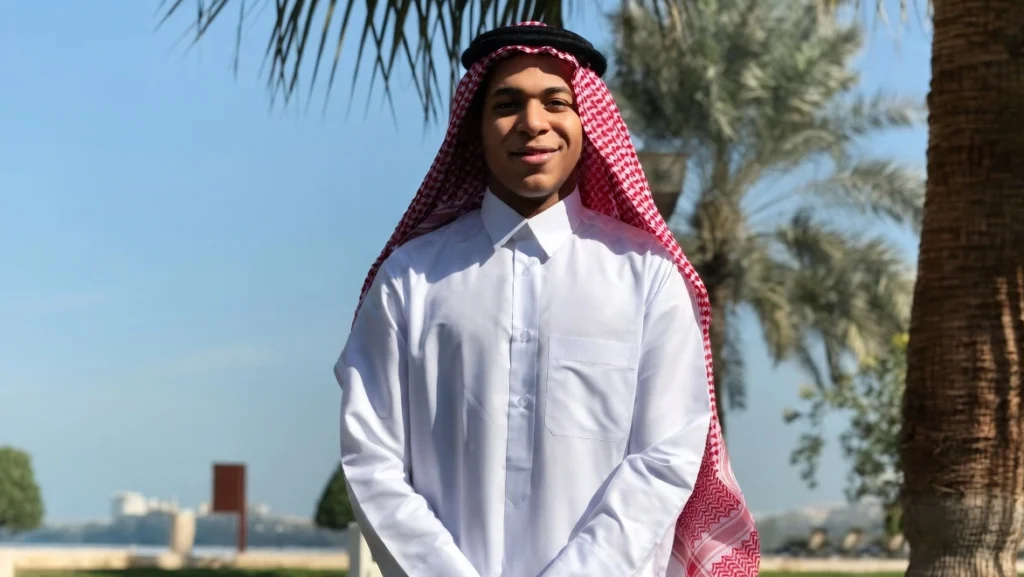
In certain corners of the internet, the question of Mbappé’s identity generates more heat than analysis. Is he Arab? Is he African? Is he simply French? The answer is that he is all of these things and none of them exclusively — and that precision, far from being ambiguous, is one of the most commercially unusual profiles in global sport.
The facts: what his heritage actually is
Kylian Mbappé was born in Paris in 1998 to a Cameroonian father, Wilfrid, and a mother, Fayza Lamari, whose family are Kabyle Berbers from Algeria — a heritage traced directly through his maternal grandmother Saliha Aït-Abbas. He holds French citizenship and represents France internationally. His heritage spans sub-Saharan Africa, North Africa, and Western Europe. He is not Arab — the Kabyle people are a distinct Berber ethnicity with their own language, Tamazight, and a cultural identity that is distinct from Arab North African identity. He is not generically African. He is specifically French, Cameroonian, and Kabyle-Algerian — a combination that is both precise and commercially extraordinary.
This matters because each dimension of his identity maps onto a distinct commercial geography, with different audience profiles, different purchasing behaviours, and different emotional triggers. No single ethnic or national label captures the full commercial opportunity — and that is precisely the point.
The commercial geography: three markets in one athlete
His French identity anchors his European brand. He is the captain of the French national team, the most famous person born in the Seine-Saint-Denis department, and a figure whose name is invoked in French political debates about immigration, integration, and national identity. His upbringing in Bondy is central to that identity — a working-class suburb that shaped his values and his relationship with money before any sponsor deal ever existed.
His Cameroonian roots give him genuine resonance across sub-Saharan Africa — one of the world’s fastest-growing consumer markets, with a combined population exceeding 1.4 billion and a young demographic structure that skews heavily toward football consumption. Cameroonian social media communities treat him as a national hero despite his playing for France. That identification is not performative; it is deeply felt and commercially durable.
His Kabyle-Algerian heritage connects him to the estimated 5 to 6 million Algerians and people of Algerian descent living in France — the country’s largest immigrant community — as well as to Algeria itself, where his grandmother Saliha Aït-Abbas is a known figure and where he is treated with the kind of affection typically reserved for athletes who have won something for the country directly. That emotional connection extends across the Maghreb and into the broader North African diaspora in Europe.
The pan-continental proposition
No other active footballer commands this breadth of simultaneous cultural identification. Cristiano Ronaldo is Portuguese. Lionel Messi is Argentine. Neymar is Brazilian. Each has an enormous global fanbase, but that fanbase is built around a single national identity amplified by talent. Mbappé has a global fanbase built around multiple genuine cultural claims, each of which is authentic — not manufactured by a marketing team but earned through heritage and lived experience.
For a brand seeking access to European, North African, and sub-Saharan African markets simultaneously, Mbappé as an ambassador delivers reach that would require three separate talent deals with three separate athletes to replicate. That efficiency premium is real, and it is not currently priced into his sponsorship portfolio — which remains focused on European luxury brands targeting a primarily Western demographic.
The risk: contested identity as a brand liability
The same breadth that makes his identity commercially powerful also makes it politically contested. Every community that claims him also monitors him — and evaluates him when he appears to prioritise one identity over another. His decision not to fast during Ramadan generated criticism from some Muslim communities. His vocal support for French state positions on secularism has been read as a distancing from his North African roots by others. His adoption of French national identity as the primary public frame for his career generates tension with communities that claim him as one of their own.
Managing this is one of the ongoing strategic challenges for the Mbappé brand team. The approach so far has been careful: he does not foreground any single identity in commercial contexts, does not make statements that would close off any of the audiences, and allows the multicultural reading to persist without actively confirming or denying it. That approach preserves optionality. It also means the commercial opportunity embedded in his multicultural heritage — particularly the MENA dimension — remains largely untapped. For the analysis of that specific market, see our MENA brand analysis.
— Victor Blanc | Mbappé Live
Deepen Your Intelligence
- Saliha Aït-Abbas: The Kabyle Grandmother Whose Heritage Opens Three Continents for Mbappe’s Brand
- Religion, Sponsorships and the MENA Market: How Mbappé’s Cultural Identity Translates Into Commercial Reach
- From the Parisian Suburbs to a Billion-Dollar Empire: Where Mbappé Grew Up
- The Cultural DNA of Mbappé: 50% Christian, 50% Muslim?
- Mbappé’s Sponsorship Portfolio: Nike, Dior, Hublot
- Inside the Fortress: The Complete Map of the Mbappé Network

About the author
Victor Blanc
Football Business Correspondent at Mbappé Live. Covers contracts, sponsorships, investment strategy, and the financial architecture behind elite sport.