BUSINESS & BRAND
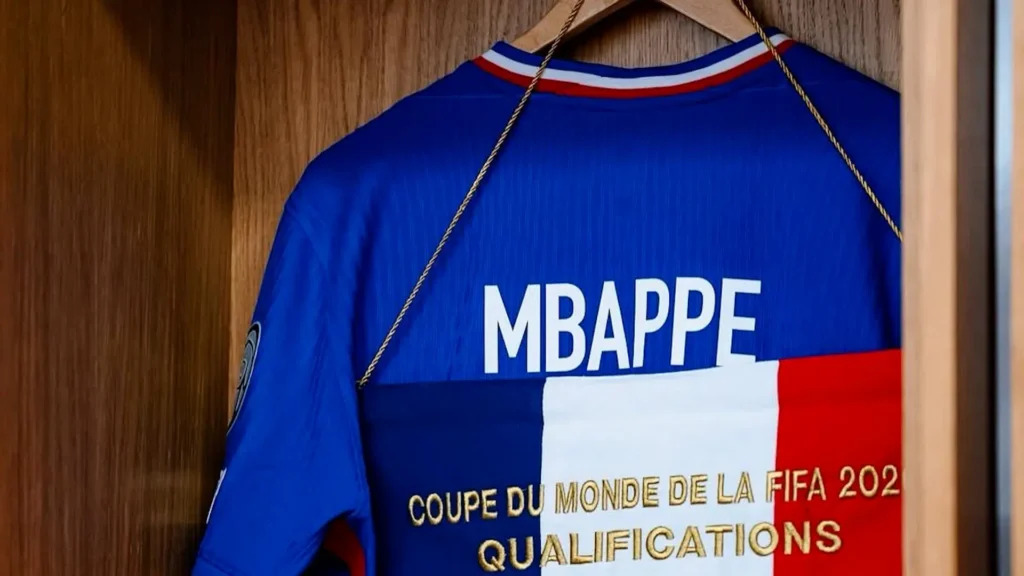
The phrase “free transfer” was technically accurate. Real Madrid paid PSG nothing. Not a single euro changed hands between the two clubs. What changed hands was €150M — paid by Real Madrid directly to Kylian Mbappé as a signing bonus. The financial substance of the deal was not free in any meaningful sense. But the legal and economic structure was radically different from a standard transfer — and that difference had profound consequences for everyone involved.
€0 transfer fee to PSG · €150M signing bonus to Mbappé · €30M/year amortized over 5 years · Contract to June 2029
Why the destination of the money matters
In a standard transfer, the buying club pays the selling club a transfer fee. That fee is capitalised as an intangible asset on the buyer’s balance sheet and amortized over the contract period. It does not affect the player’s income. In a free transfer with a signing bonus, the money that would have gone to the selling club is redirected to the player. Mbappé’s €150M signing bonus is taxed as personal income — but under Spain’s Beckham Law, at a significantly reduced rate compared to France. The structural effect is that more money ends up in Mbappé’s hands, and none ends up at PSG.
Real Madrid’s balance sheet: why free was still attractive
From Real Madrid’s accounting perspective, the €150M signing bonus is an operating cost — amortized over the contract at €30M per year — rather than a capital expenditure on a transfer fee. This has real financial statement implications: it reduces operating profit rather than adding an intangible asset to the balance sheet. For a club managing UEFA’s Financial Sustainability Regulations, a €0 transfer fee is structurally preferable to a €150M+ fee even when total cash outflow is similar. The rules reward this structure.
PSG’s loss: the €180M they never received
In 2021, Real Madrid had offered PSG approximately €180M for Mbappé. PSG refused. One year later, they paid him €110M in signing bonuses and a €60M loyalty bonus to stay. Two years after that, he left on a free. PSG received nothing for a player they had bought for €180M seven years earlier and spent hundreds of millions retaining. The net transfer economics of the Mbappé era at PSG are extraordinary: a club that spent approximately €500M on and around one player and recovered €0 from his eventual exit.
Why Real Madrid still won the economic argument
Real Madrid’s total cost of acquiring Mbappé — €150M signing bonus plus €31.25M annual base salary plus performance bonuses — is high but efficiently structured. No transfer fee means no amortization pressure, no competing clubs in a bidding war, and no windfall for a third party. They acquired the world’s most valuable footballer at 25 years old with a five-year contract and a €1B release clause that guarantees he cannot be poached cheaply. In the context of modern football transfer economics, the deal is a structural masterpiece.
Related: Mbappé 2025 Salary & Net Income · The Mbappé Financial Empire

About the author
Victor Blanc
Football Business Correspondent at Mbappé Live. Covers contracts, sponsorships, investment strategy, and the financial architecture behind elite sport.