After Kylian Mbappé missed the decisive penalty against Switzerland at Euro 2021, over one million tweets targeting him were posted within hours — the majority of them racist. The French Football Federation said almost nothing. Nol Le Grat, then president of the FFF, publicly suggested Mbappé wanted to leave the national team over the miss. Mbappé corrected him on Twitter the same day: the issue was racism, not the penalty. Le Grat had not considered that there had been any racism at all.
That exchange — specific, public, and unambiguous — marked a shift. Mbappé was no longer simply a target of racist abuse. He had become someone who named it, contested the institutional denial, and demanded a different response. The years since have been consistent.
The 2021 turning point: a million tweets and institutional silence
Fayza Lamari’s description of what followed the Switzerland penalty was precise: more than a million tweets, predominantly racist, without meaningful official support from the federation. For any athlete managing a global commercial profile, that kind of exposure — uncontested by the institution that employs you — creates a decision point. Accept it quietly, or escalate.
Mbappé escalated. His public correction of Le Grat was not an emotional reaction. It was a factual statement, posted where it could not be quietly managed by the federation. The response from the institution was, eventually, the revision of the FFF’s image rights and player protection protocols — though that process took two further years and required Verheyden’s legal architecture to force the issue.
From denouncing to demanding: the evolution of his position
When teammates including Dayot Upamecano were subjected to racist abuse in 2023, Mbappé’s language shifted again. He acknowledged that players were united in denouncing incidents — but stated explicitly that denouncing was no longer sufficient. Speaking to Spanish media in late 2024, he noted that solidarity among players, while more present than a decade ago, did not constitute action. The word he used repeatedly was act: institutions needed to move from statements to consequences.
His father Wilfrid has been more direct on the question of match stoppages. Speaking after the Oviedo incident in August 2025 — when Mbappé was subjected to monkey chants while celebrating a La Liga goal, leading to a one-year prison sentence request for the fan responsible — Wilfrid stated that immediate halting of matches was the only measure likely to change behaviour. Kylian’s public response to the same incident echoed this: the conversation must continue until the authorities implement concrete measures.
The brand logic: why speaking costs less than staying silent
The conventional analysis of athlete activism applies a cost-benefit framework: speaking on contested social issues risks alienating some commercial partners or audience segments. This framework has less traction than it did a decade ago — and in Mbappé’s specific case, it may be inverted.
His sponsorship portfolio is deliberately premium and deliberately narrow: Nike, Dior, Hublot, Oakley, EA Sports. None of these brands operates in markets where Mbappé’s anti-racism positions create commercial friction. All of them have made public commitments on social inclusion in their own brand positioning. His activism, for these partners, is aligned with their stated values rather than in tension with them.
The audiences that matter most to his long-term brand — young, urban, multicultural, global — are precisely those most likely to find his silence on these issues more costly than his speech. This does not mean the activism is purely strategic. Mbappé grew up in Bondy, understands personally what the public conversation about race in France looks like from the suburbs, and has been consistent on these positions since the age of twelve. But the commercial alignment is real and worth noting.
The citizen argument: why he connects football to the world outside it
When asked on the programme Envoy Spécial why a player of his profile engages with political and social questions rather than staying within the safe confines of sport, Mbappé’s answer was direct: he is a citizen of the world. He follows the news. He sees what happens. He does not consider himself to be on another planet from the people in the stands or the people watching at home.
That framing — athlete as citizen rather than athlete as product — is consistently applied. He redistributes 100% of his France national team earnings to charity, declining to personally profit from the national team platform while remaining fully committed to it as captain. He uses his image rights to refuse association with industries he considers harmful to youth. The anti-racism positions fit within the same coherent personal value system, and they have been in evidence since long before the commercial stakes were high enough to make them a calculated move.
For the full picture of how his public positions interact with his commercial strategy, see our sponsorship analysis. For the legal and organisational architecture behind his public stance, see the network breakdown.
— Victor Blanc | Mbappé Live
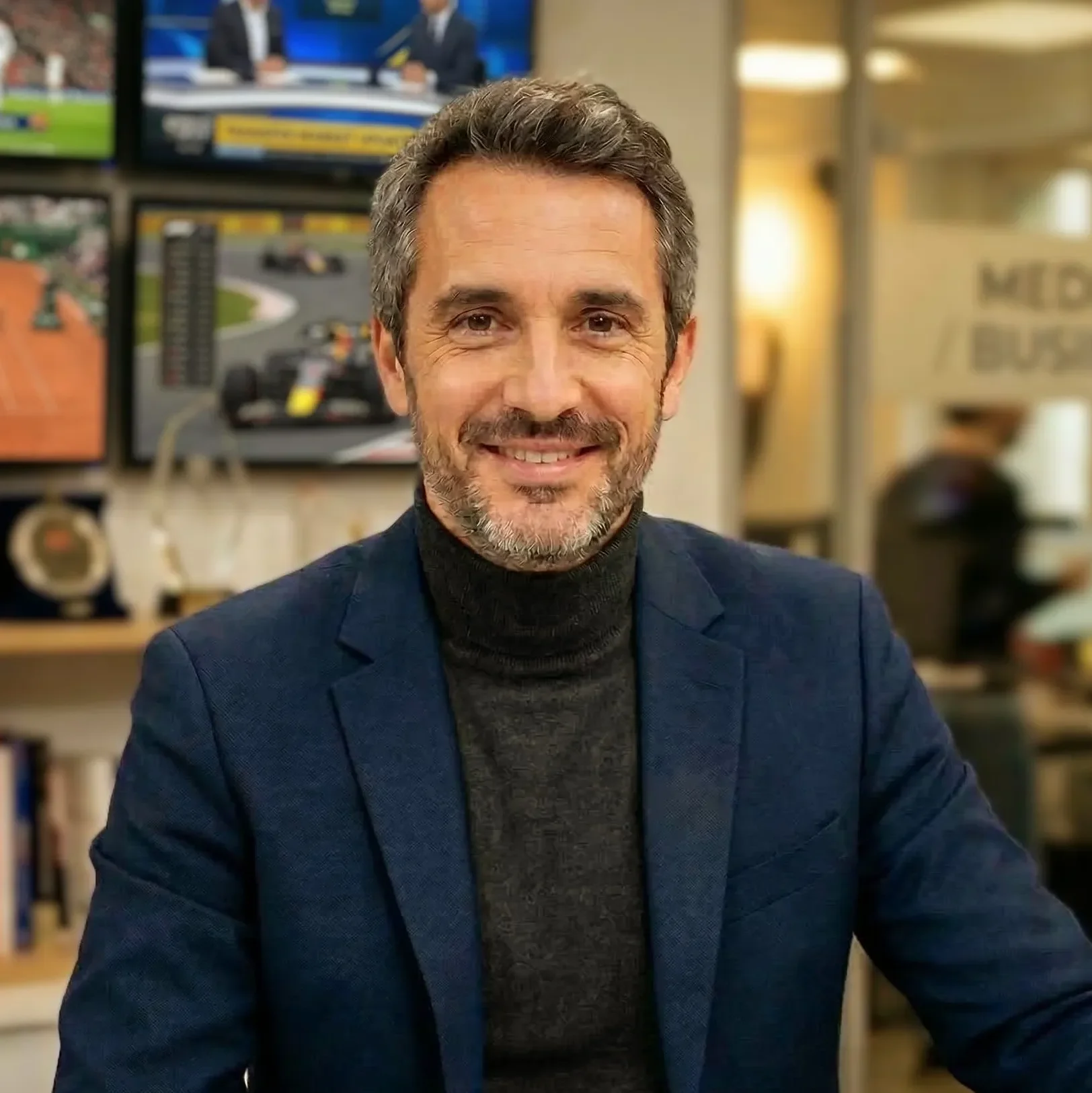
About the author
Victor Blanc
Football Business Correspondent at Mbappé Live. Covers contracts, sponsorships, investment strategy, and the financial architecture behind elite sport.