BUSINESS & BRAND
Mbappe’s market value is currently estimated at €127.5M. His Real Madrid contract runs to 2029 and is worth €61M gross per year. The single variable that most directly threatens that financial architecture is not contractual — it is physical. His body is the asset. How that asset is maintained, fuelled, and protected is not a lifestyle story. It is a capital preservation strategy.
The 2016 intervention: when Fayza hired a chef to throw out the cupboards
In 2016, as Mbappe began his rise at Monaco, Fayza Lamari made a decision that sits in the category of investment rather than parenting: she hired Yaelle, a private chef with a specific mandate. Yaelle’s first act was to audit the family home and dispose of everything that didn’t serve the physical asset the family was building. What she found was the standard diet of a teenager from Bondy — processed snacks, industrial food, the kind of fuel that is fine for a 16-year-old and structurally incompatible with a professional footballer’s performance requirements.
The intervention was clinical. Yaelle has since evolved into Mbappe’s personal assistant and operational hub, managing far more than food — but the original mandate — protect the physical asset — has never changed. The estimated annual cost of a private chef and elite nutritional programme at his level runs to approximately €80,000-120,000 per year. Against a €61M gross income and a €127.5M market value, that is not an expense. It is one of the highest-ROI investments in his portfolio.
The KFC refusal: when brand architecture met dietary strategy
In 2022, during a pre-tournament photo session at Clairefontaine, Mbappe refused to participate in commercial shoots for sponsors he considered incompatible with his brand. The specific targets included sports betting firms and fast food companies. He did not negotiate — he did not show up. The French Football Federation’s commercial partners were frustrated. Mbappe was unmoved.
The refusal was not primarily a dietary statement. It was a brand protection decision — but one where the dietary and commercial logics aligned perfectly. Mbappe donates 100% of his national team earnings to charity, which removes the financial incentive to participate in FFF-mandated commercial shoots. With no financial upside and a clear brand downside — his image associated with fried chicken at a point where Dior was building him as a luxury fashion icon — the calculus was straightforward.
The episode directly preceded a partnership with Good Gout, an organic children’s food brand. The positioning was not accidental: declining fast food and signing with premium organic children’s nutrition in the same window is a deliberate brand architecture decision, executed with the precision that characterises every commercial decision made by Fayza Lamari and the inner circle.
The merguez principle: identity preserved, asset protected
Fayza Lamari has spoken publicly about the merguez memory — the spicy sausages cooked at suburban youth football tournaments, eaten between matches on Saturday afternoons in Bondy. For the Mbappe family, this food represents the pre-commercial version of the game: played for fun, fuelled by neighbourhood culture, unmediated by brand architecture or performance analytics. Kylian has maintained that connection deliberately — the post-match nuggets, the private meals that include food he would never promote publicly — as a psychological release valve from the pressure of managing a nine-figure personal brand.
The public/private distinction is not incidental. It is the design. His public dietary positioning — Good Gout partnership, KFC refusal, elite athlete messaging — serves the brand. His private relationship with food preserves the human being inside the brand. The separation is maintained with the same deliberateness applied to every other dimension of how the Mbappe commercial ecosystem is managed.
What the diet data says about World Cup readiness
Mbappe’s 38.2 km/h top speed recorded in 2025-26 places him in the top 1% of tracked professional footballers globally. That number is not purely genetic — it is maintained through a nutritional and recovery programme that has been in place for a decade. The knee injury of December 2025, misdiagnosed by Real Madrid’s medical staff, represents the most significant threat to that physical foundation since his career began. The full medical and commercial timeline covers why the recovery management between now and June 9 is the most important injury-related decision his team has ever had to make.
The diet is not a variable in that recovery. It is a constant. The infrastructure Fayza built in 2016 — the chef, the nutritional programme, the private/public separation of his dietary identity — has been running continuously for ten years. It is one of the most durable and underanalysed elements of the system that produced the world’s most commercially valuable footballer.
— Victor Blanc, Football Business Correspondent
Deepen Your Intelligence
- Real Madrid Scanned the Wrong Knee — The Full Medical and Commercial Timeline
- Fayza Lamari: The Agent-Mother Who Built the Mbappe Business Empire
- Inside the Fortress: The Complete Map of the Mbappe Network
About the author
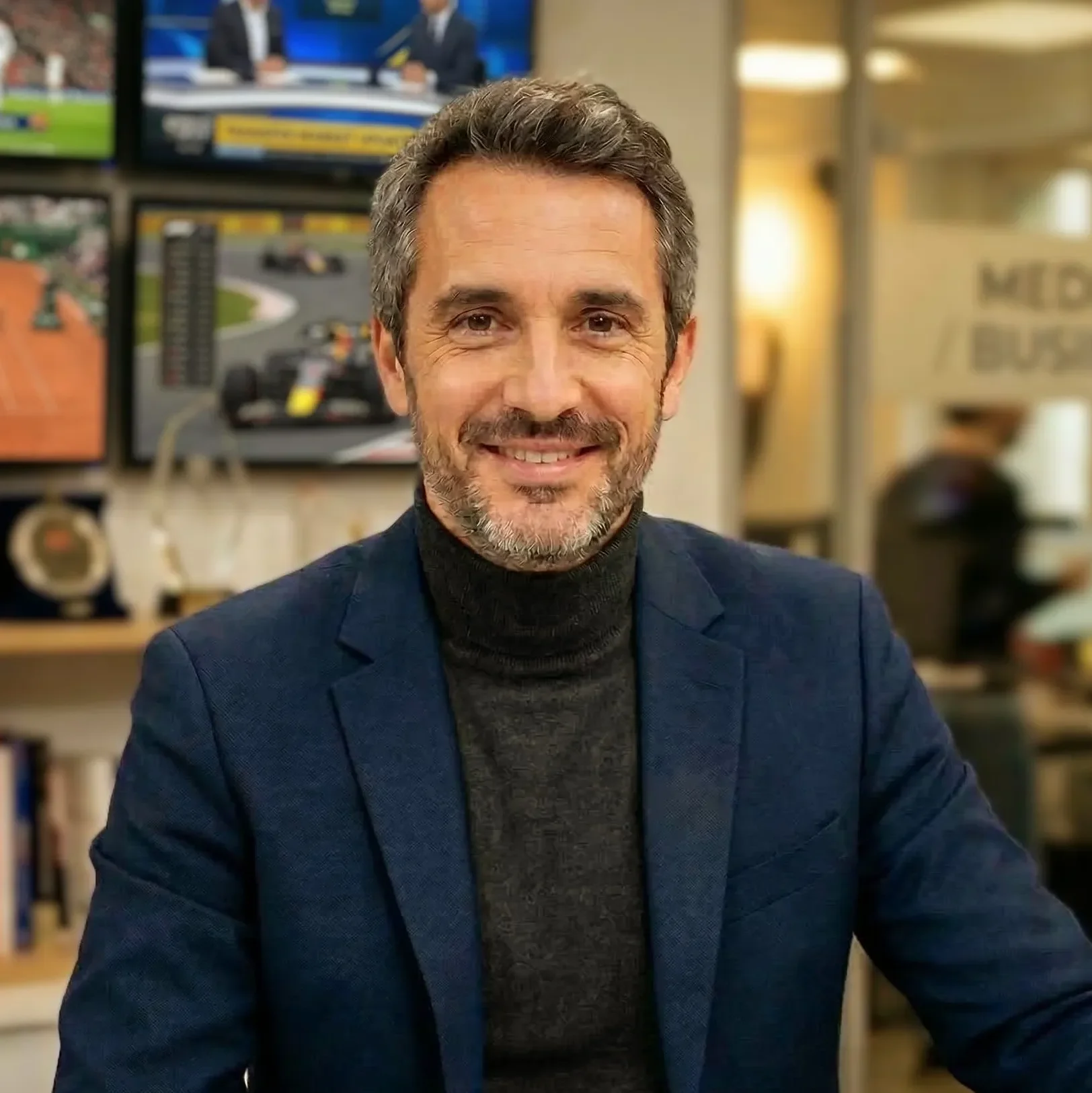
Victor Blanc
Football Business Correspondent at Mbappé Live. Covers contracts, sponsorships, investment strategy, and the financial architecture behind elite sport.