BUSINESS & BRAND
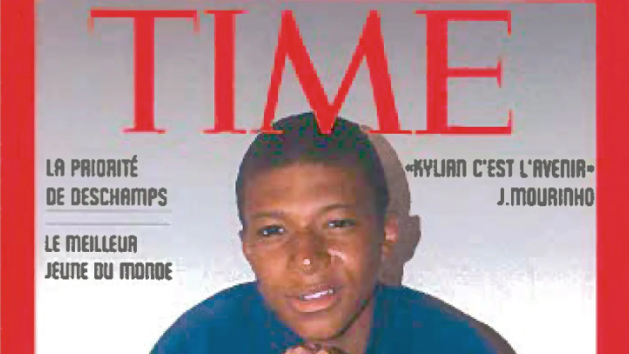
In 2014, a French school asked students to write their ambitions on a poster. A 15-year-old in Bondy wrote two things: play for Real Madrid, and appear on the cover of Time Magazine. Five years later, he had done both. The poster is not a coincidence and not luck. It is the earliest documented evidence of a career strategy that understood brand positioning before it understood contract law.
The poster — and what it actually said
The detail that separates Mbappe’s school poster from every other athlete’s childhood dream list is the second item. Real Madrid is the predictable aspiration of any talented young French footballer with a specific attachment to the club — Mbappe had visited the Bernabeu at 13 and been personally welcomed by Zidane. That item was about football. Time Magazine was about something else. A 15-year-old who lists a global media cover among their ambitions alongside a sporting goal is not thinking about sport. They are thinking about cultural reach. They are, consciously or not, thinking about brand.
Time Magazine, 2019 — what the cover actually meant commercially
Mbappe appeared on the cover of Time Magazine’s Next Generation Leaders issue in 2019, at age 20. The cover placed him in the company of the most commercially and culturally significant young figures in the world — not in football, but globally. For his sponsors at the time, the placement was worth more than any paid media campaign. Time Magazine’s audience is English-speaking, educated, and skewed toward decision-makers in business, media, and culture. It is precisely the audience that makes sponsorship decisions. The cover was the first time Mbappe’s name reached that audience at scale, independent of a football result.
The strategic architecture that produced the outcome
The 2014 poster and the 2019 cover are connected by something that is rarely documented in athlete profiles: a consistent, decade-long orientation toward cultural reach rather than purely sporting achievement. Most elite athletes build their commercial identities reactively — brands approach them after sporting success and they accept or decline. Mbappe’s trajectory suggests a more proactive architecture. The decision to learn English, Spanish, and Arabic. The choice of Dior over a more commercially obvious fashion sponsor. The deliberate scarcity of his sponsorship portfolio. The investment in Coalition Capital rather than passive endorsement fees. These are not the decisions of someone who became commercially aware after reaching the top. They are the decisions of someone who understood the commercial dimension of elite sport before they were old enough to drive.
The full financial architecture that those early decisions produced is in the Financial Empire breakdown. The specific sponsorship philosophy is in the sponsorship portfolio analysis.
— Victor Blanc, Football Business Correspondent
Deepen Your Intelligence
- Kylian Mbappe Financial Empire: The Strategic Breakdown
- From the Parisian Suburbs to a Billion-Dollar Empire
- Mbappe’s Sponsorship Portfolio: The Strategic Logic Behind Nike, Dior and Hublot

About the author
Victor Blanc
Football Business Correspondent at Mbappé Live. Covers contracts, sponsorships, investment strategy, and the financial architecture behind elite sport.