Where Mbappé grew up? In the heart of the Parisian suburbs
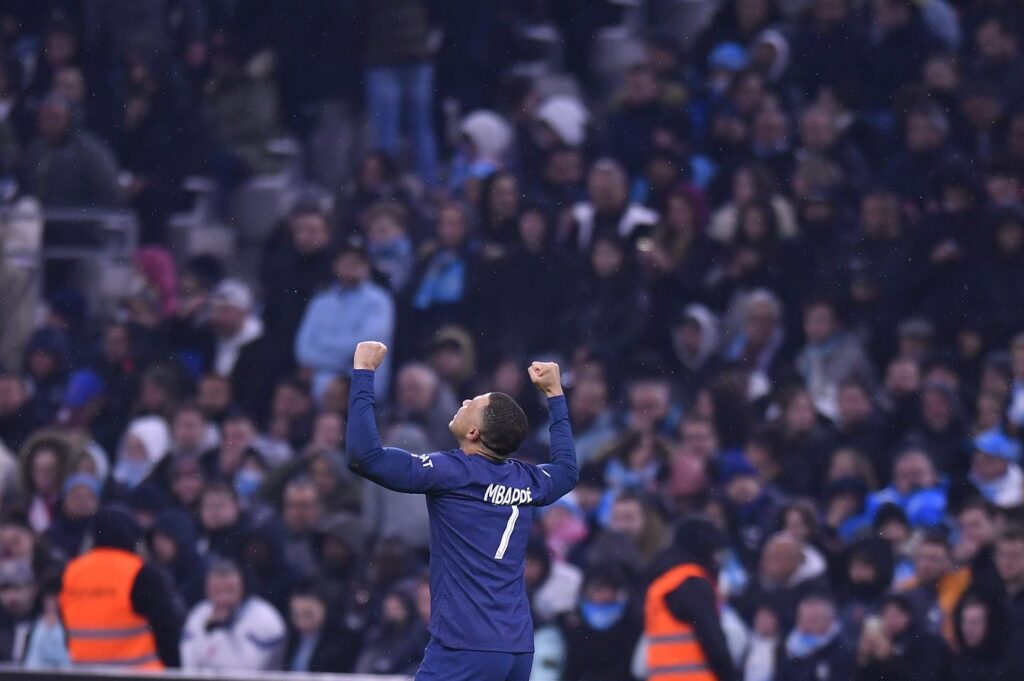
In the hyper-inflated, cutthroat economy of global football, Kylian Mbappé is the ultimate blue-chip asset. Today, the 27-year-old resides in a €11 million heavily fortified mega-villa in Madrid’s exclusive La Finca neighborhood, complete with a golf green and a private football pitch. He commands a nine-figure salary, retains an unprecedented 80% of his image rights at Real Madrid, and is quietly building a sprawling corporate empire.
But to truly understand the ruthless financial acumen and the relentless on-pitch drive of the world’s most valuable athlete, you have to look away from the glitz of the Santiago Bernabéu and the Parc des Princes. You have to travel a few miles northeast of central Paris, across the périphérique ring road, to the concrete pitches of his youth. If you want to know where Mbappe grew up, the answer lies in Bondy.
The Goldmine of the ’93’: Life in Bondy, Seine-Saint-Denis
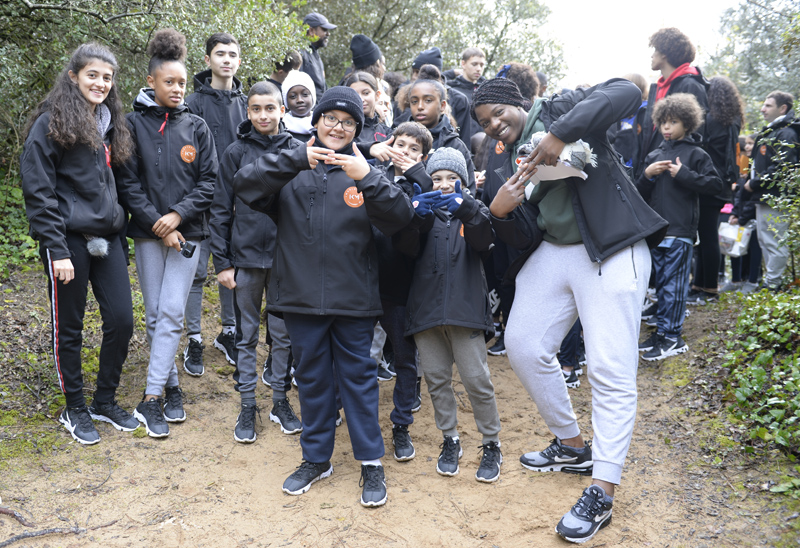
He was born and raised in Bondy, Mbappe grew up in a municipality located in the Seine-Saint-Denis district, universally known in France by its administrative number: the “93“. Officially, it is a working-class banlieue (suburb) characterized by a large immigrant population. Statistically, it is an economically challenged area where roughly 28.6% of the residents live below the poverty line.
However, in the global sports economy, the Parisian banlieues are recognized as the most fertile talent factory on earth. With a massive talent pool of 12 million people in the broader Paris region, the area produces a staggering volume of elite athletes. For Mbappé, Bondy was a crucible. The local style of football is forged in small-sided, high-intensity games on hard courts, which breed players who are fast, aggressive, and capable of lightning-quick decision-making.
As Mbappé himself perfectly summarized the socioeconomic reality of his hometown: “In Bondy, in the 93, in the banlieues, maybe there is not a lot of money. But we are dreamers. Maybe it’s because dreaming doesn’t cost much. In fact, it’s free”.
AS Bondy: The First Boardroom of the Mbappé Empire
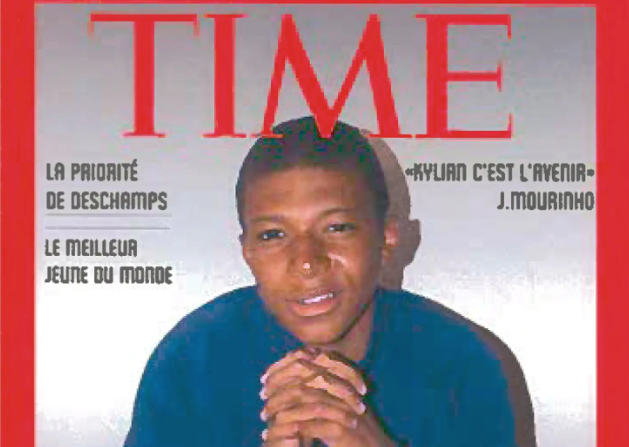
Mbappé’s first real footballing education did not happen in a state-of-the-art corporate academy; it took place at the local amateur club, AS Bondy. His father, Wilfried, was a youth coach at the club and served as his first mentor. Wilfried provided a strict, structured environment, ensuring his son learned to play across the entire front line rather than being pigeonholed into a single role.
But while his father managed his feet, his mother, Fayza Lamari, was already shaping his mind. Fayza, a former professional handball player for AS Bondy, brought a fierce, uncompromising mentality to her son’s upbringing. She was famously strict, demanding excellence and pushing him academically—even joking that she originally wanted him to attend HEC, France’s most prestigious business school, so he could succeed as a man before succeeding as a footballer.
This combination of pure sporting passion and elite business foresight became the foundation of the Mbappé enterprise. A legendary anecdote from his childhood perfectly illustrates this. When Chelsea invited a young Kylian to London for a trial, the English executives arrogantly asked him to return for a second look. Fayza furiously told a translator: “No, we won’t come again. Tell them, ‘If you want to sign him, you sign him now. In five years’ time you will come back for him for £50 million'”. She profoundly understood the value of her asset before the rest of the market even knew his name.
“Poor Man’s Syndrome” and the Suburbs’ Legacy
When Mbappe grew up and his talent inevitably catapulted him out of Bondy—first to the elite INF Clairefontaine academy, then to AS Monaco, and finally to a world-record €180 million transfer to PSG—the family’s financial reality changed overnight.
Yet, the grounding he received in the ’93’ dictated their approach to this sudden influx of wealth. For the first three years of his massive contracts, the family barely touched the money. Fayza later confessed that they suffered from “poor man’s syndrome,” living in fear that someone would wake them up and demand the millions back.
Because of this disciplined upbringing, Mbappé developed a highly detached, calculated relationship with money. He is famously known for never carrying cash or a credit card on his person, simply telling his mother: “No need, I’m just going to play football”. This detachment allows him to make clinical business decisions. He refuses to sell his soul to sponsors he dislikes, boycotting fast food and betting companies, and instead built his own holding company, Interconnected Ventures, to manage his brand with ruthless efficiency.
Bondy: The Town of Possibilities
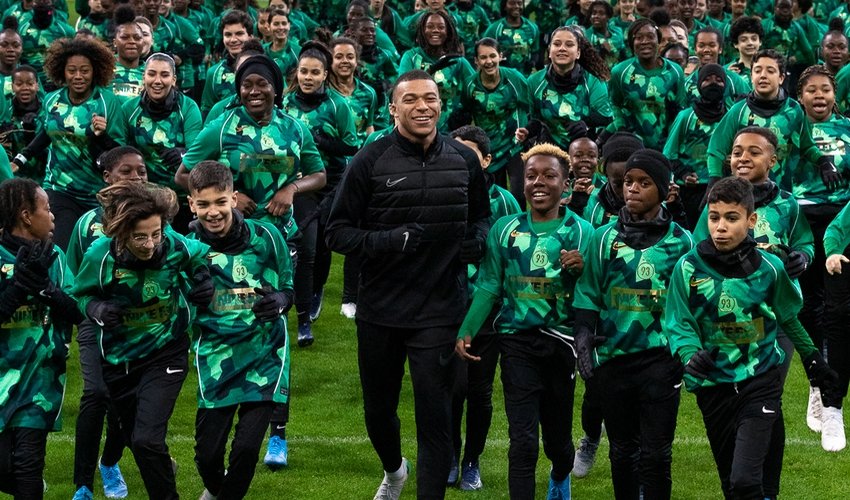
Today, Mbappe grew up in Bondy and transcended the sport. He is a World Cup winner, an investor, a philanthropist donating 30% of his earnings to his foundation, and the owner of the professional football club SM Caen.
But he has never forgotten the concrete pitches of his youth. Overlooking a road out of his hometown, a massive mural of the superstar covers the side of a residential tower block. Across his image are the words: “Bondy — Ville des Possibles” (Town of Possibilities).
In the high-stakes world of sports finance, investors are always looking for the perfect storm of raw talent, elite marketability, and brilliant management. Kylian Mbappé is all three. And to the dismay of rival clubs and sporting brands across the globe, that billion-dollar empire was entirely incubated in the humble, working-class streets of the Parisian suburbs.