THE NETWORK
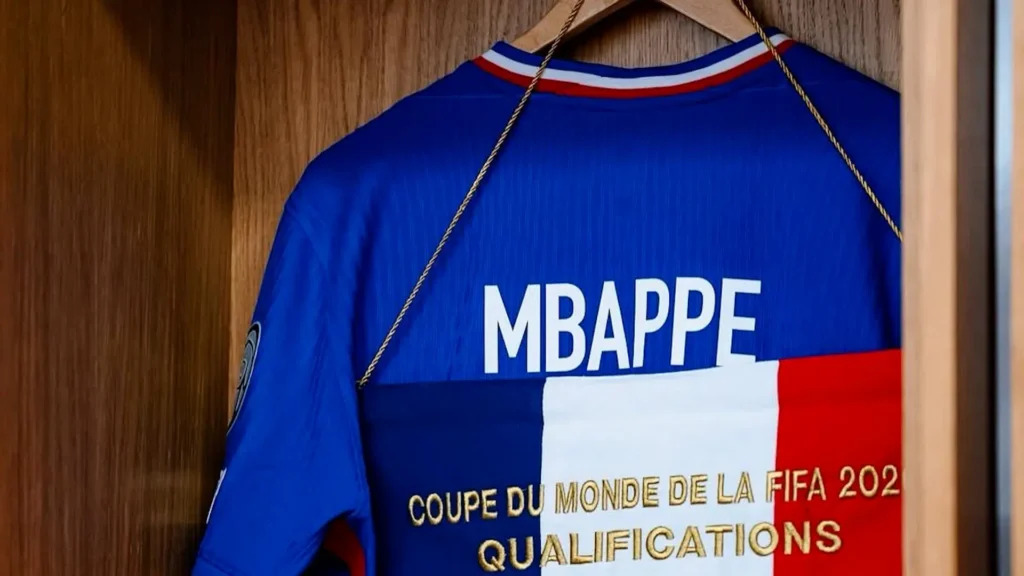
Kylian Mbappé became France captain in 2022, inheriting the armband from Hugo Lloris after the Qatar World Cup. He was 24. In 2026, he leads France into a tournament in the United States at 27 — the age at which Zidane and Platini were at the absolute peak of their powers. The captaincy is not symbolic. It carries institutional responsibilities — squad bonus negotiation, media obligations, dressing room authority — that Mbappé has visibly grown into. The question for the 2026 World Cup is whether the weight of leadership enhances or constrains his individual performance.
Captain since 2022 · 94 caps, 55 goals · Youngest WC final scorer in French history · First France captain at a WC in the USA since Deschamps in 1998
What the captaincy actually involves at a World Cup
The France captaincy at a major tournament involves multiple layers beyond leading the team on the pitch. The captain is the primary interface with the FFF administration on player-related logistics, the representative in bonus and prize money negotiations on behalf of the squad, the obligatory attendee at all pre-match press conferences, and the team’s media spokesperson in the event of controversy or crisis. Mbappé manages all of this while playing at a level that demands peak physical and mental performance. His handling of the knee injury press cycle in March 2026 — deflecting media attention while managing his own recovery — demonstrated the composure the captaincy requires.
The Zidane 2006 parallel: captaincy and legacy in the same moment
Zinedine Zidane’s final World Cup in 2006 — a tournament he almost single-handedly carried France through before his final-minute red card in the final against Italy — is the closest historical parallel to Mbappé’s 2026 situation. A captain, in the final stages of a major tournament, simultaneously producing the best individual football of the competition while carrying the weight of national expectation. The difference is that Mbappé is 27, not 34, and his best years are ahead. The pressure is the same. The upside is larger.
The dressing room dynamic: Dembelé, Olise, and managing stars
France’s 2026 squad contains multiple players with legitimate star status: Dembelé (Ballon d’Or 2025), Olise (one of Europe’s most dangerous forwards), Tchouaméni and Camavinga (both Champions League regulars). Managing the collective ambitions and ego dynamics of an exceptionally talented group is part of the captain’s job. Mbappé’s relationship with Dembelé — former PSG teammates, now at different clubs — is the most commercially and psychologically significant bilateral within the squad. A coherent dressing room produces better collective results. Mbappé’s captaincy is the variable that conditions that coherence.
The commercial value of the captaincy itself
Being the captain of the host continent’s strongest team at the World Cup in the United States generates a media profile that transcends football. Every press conference is globally broadcast. Every pre-match press conference generates international wire coverage. The captaincy amplifies Mbappé’s individual visibility in a way that playing ‘merely’ as a forward cannot. For brands activating around him, the captain narrative — leader, record-chaser, heir to Zidane — is the most compelling creative brief in the tournament.
Related: Mbappé Inner Circle & Network · The Mbappé Financial Empire

About the author
Victor Blanc
Football Business Correspondent at Mbappé Live. Covers contracts, sponsorships, investment strategy, and the financial architecture behind elite sport.