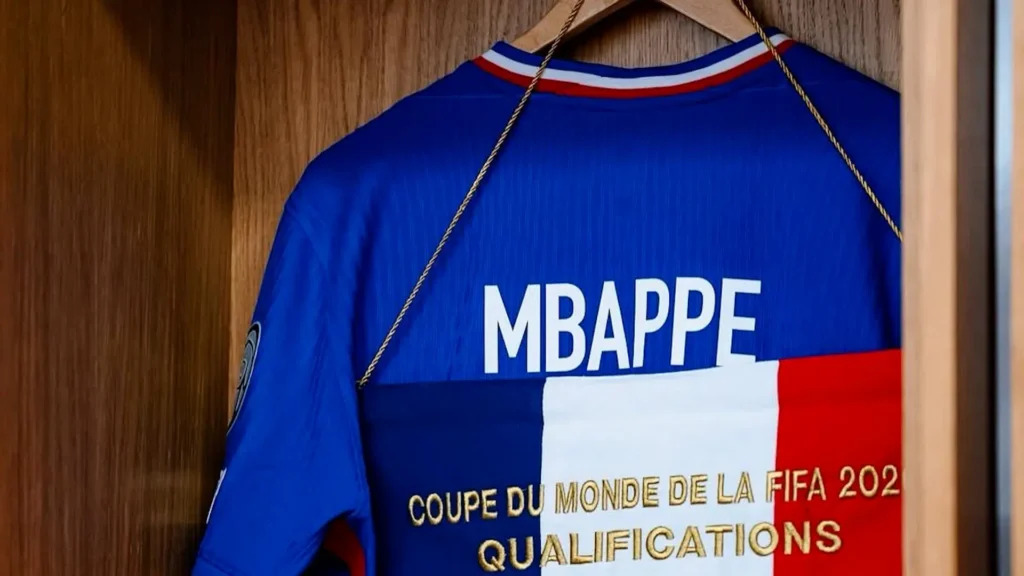
Mbappe Psychological Profile: Inside the Mind of a High-Performance Icon
The psychological analysis of Kylian Mbappé reveals a fascinatingly complex personality. Far from the stereotype of a young prodigy overwhelmed by success, Mbappé displays a hyper-adapted mental structure. He combines clinical lucidity with extraordinary ambition and sophisticated defense mechanisms to survive the dehumanization of global stardom.
Here is his detailed psychological profile, built around four strategic pillars:
1. Unlimited Ambition and the “Performance Super-Ego”
From a young age, Mbappé structured his mind around a visceral need for achievement. He possesses an extremely strong internal locus of control: he is convinced his destiny is in his hands.
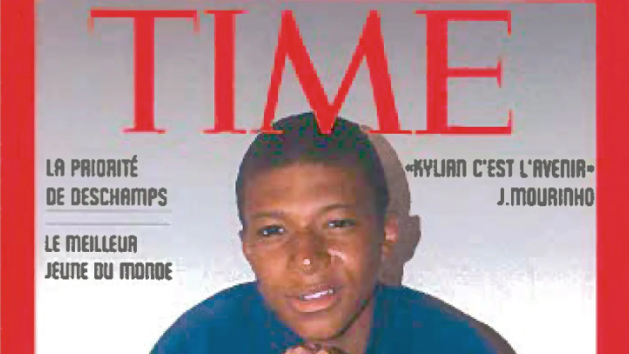
- Cognitive Tooling: At 15, he wasn’t dreaming of sports magazines; he visualized being on the cover of Time as a “Maestro.” This isn’t arrogance; it is a cognitive tool for self-actualization.
- Pressure as Fuel: While pressure destroys others, Mbappé uses it as psychological fuel. “I need it to perform,” he admits. His brain cognitively rejects failure, fueling exceptional resilience but demanding relentless standards for himself and others.
2. Hyper-Lucidity and the Need for Control
Mbappé’s most striking trait is his awareness of the “football system.” He analyzes the industry with almost sociological distance, fully aware of its hypocrisies.
- Image Strategy: Unlike players who delegate their voice, Mbappé is his own chief strategist. He understands that “communication is all about timing.”
- Institutional Conflict: His refusal to promote junk food or betting sites demonstrates a refusal of cognitive dissonance. He will not betray his values to please the system. As his mother famously noted: “The advantage of having money is that you don’t have to sell your soul to the Devil.”
3. The Golden Cage Paradox: Isolation and Survival
Despite his mental armor, Mbappé carries the psychological burden of hyper-celebrity, which he equates to a loss of fundamental freedom.
- Defensive Paranoia: To survive an environment where he “belongs to everyone,” he has developed a necessary defensive paranoia. He constantly questions the intentions of those around him.
- Mental Health Strategy: Faced with media noise or financial disputes (like with PSG), his adaptation strategy is to compartmentalize. He isolates himself in his “bubble” to protect his mental health, famously stating: “I’m not depressed. I go home, I play PlayStation, and I’m fine!”
4. Emotional Anchor: The Family Compass
If the public figure is clinical and surgical, the private man is described as having high emotional intelligence.
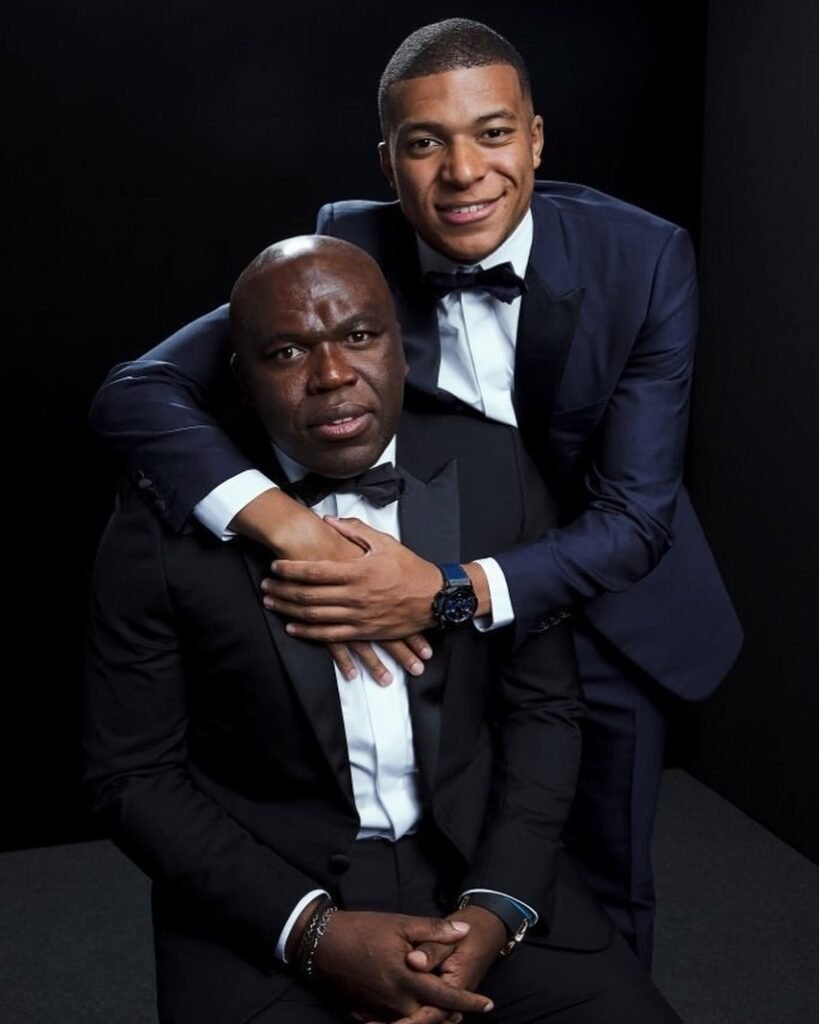
- The Family Shield: His ultra-restricted circle—mainly his family—is his reality mirror. At home, he is “never the king” and is told “no” regularly. This prevents narcissistic inflation.
- The “Bondy” Kid: Preserving his “inner child” is vital. When with childhood friends, he reverts to his natural “chambreur” (teaser) personality—a trait from his Bondy roots where humor is a primary mode of communication.
Conclusion
Kylian Mbappé’s psychological profile is that of a hyper-performer with exceptional mental maturity. He has forged robust defense mechanisms—rationalization and hyper-control—to avoid being crushed by the modern football machine.
His ongoing challenge is balancing his devouring ambition to become the greatest in history with his fundamental need to preserve his humanity, freedom, and normalcy.

About the author
Victor Blanc
Football Business Correspondent at Mbappé Live. Covers contracts, sponsorships, investment strategy, and the financial architecture behind elite sport.